Assessment of sling bar
When transferring patients with pain-related conditions—such as neuromuscular disorders, arthritis, or shoulder injuries—every movement matters. Think of it like handling something fragile: the goal is to provide smooth, gentle support that minimizes discomfort and protects the patient's dignity throughout the lift.
Selecting the right patient lift sling is one of the most important decisions you'll make for safe, comfortable transfers. The sling you choose directly affects how well the lift distributes weight, how secure the patient feels, and how much strain is placed on their body during the transfer.
In this guide, we'll walk you through the key factors to consider when selecting a patient lift sling, so you can feel confident that you're providing the best possible care and comfort for your loved one or client.
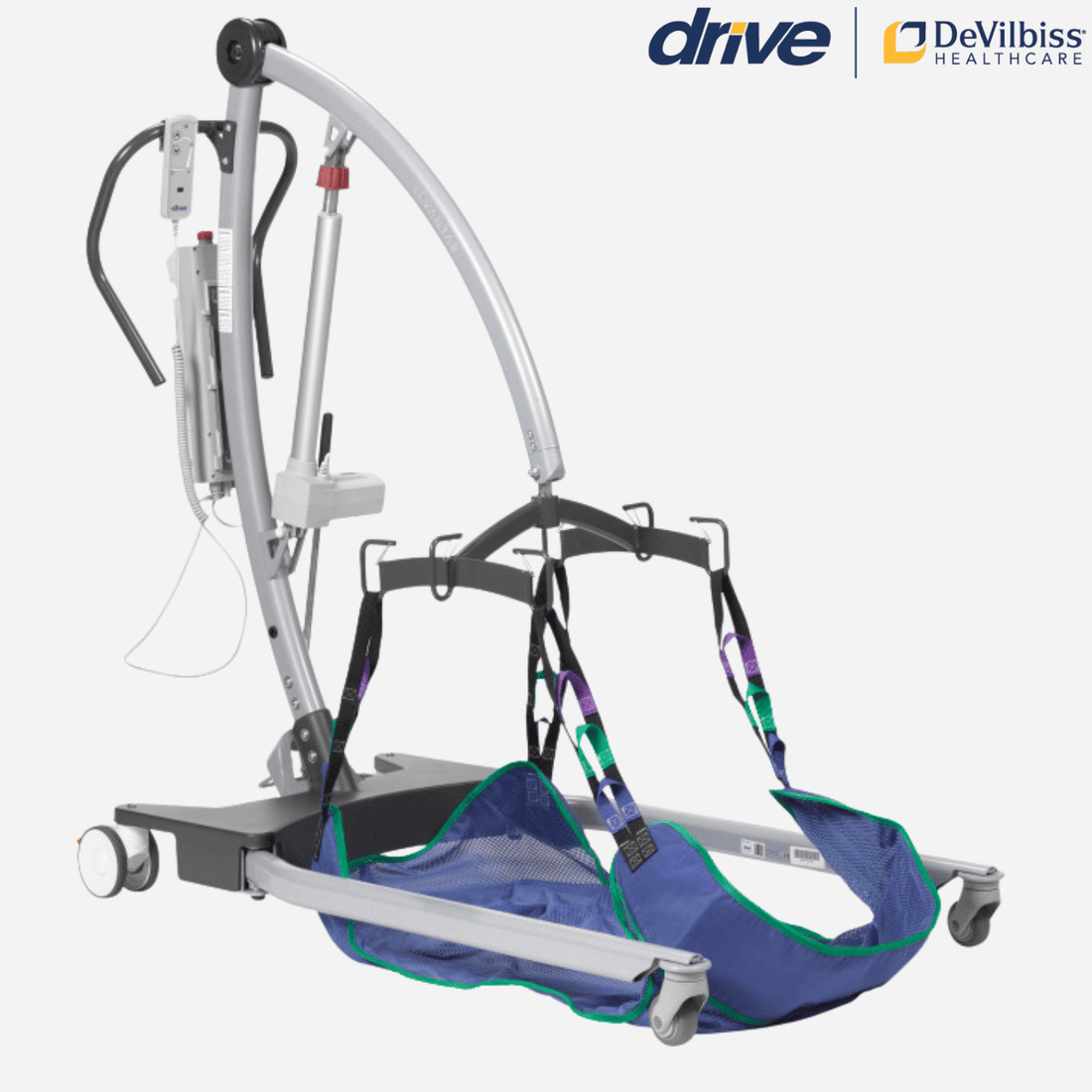
The width of the sling bar
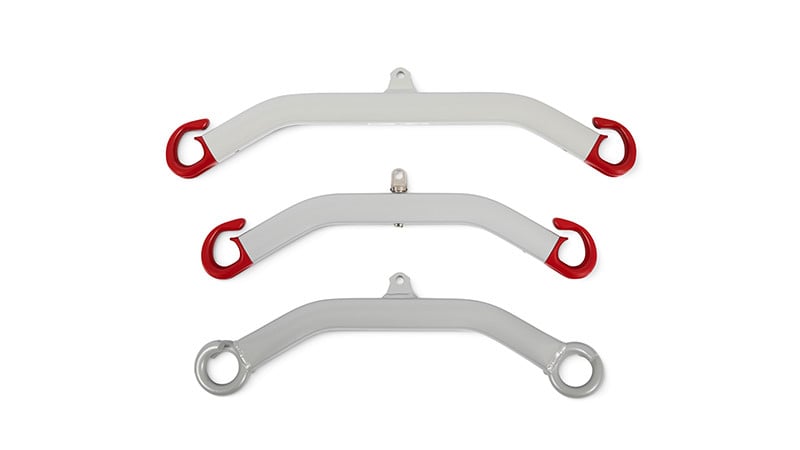
Measure the patient's shoulder width; the sling bar length should match this dimension. A bar that is too narrow restricts comfort and may compromise respiration. Conversely, an oversized bar causes the patient to shift forward as head straps pull outward—a critical concern when lifting pediatric and small-frame patients.
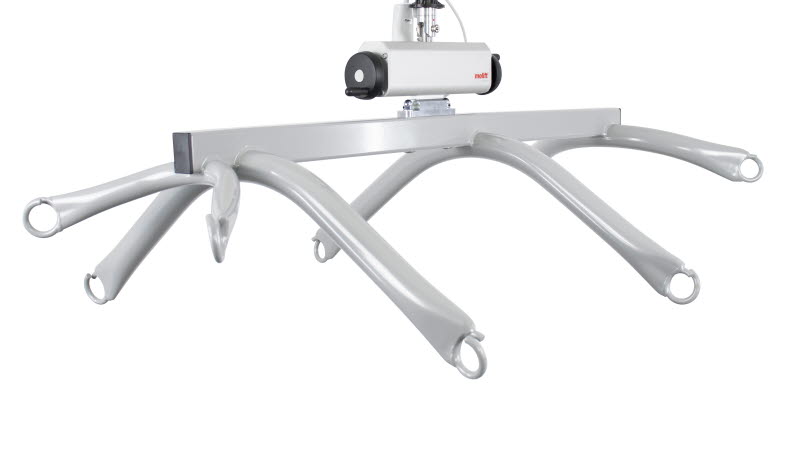
Bar configuration—2-point or 4-point—also influences load distribution and stability during transfer. Select based on patient size, mobility level, and transfer type.
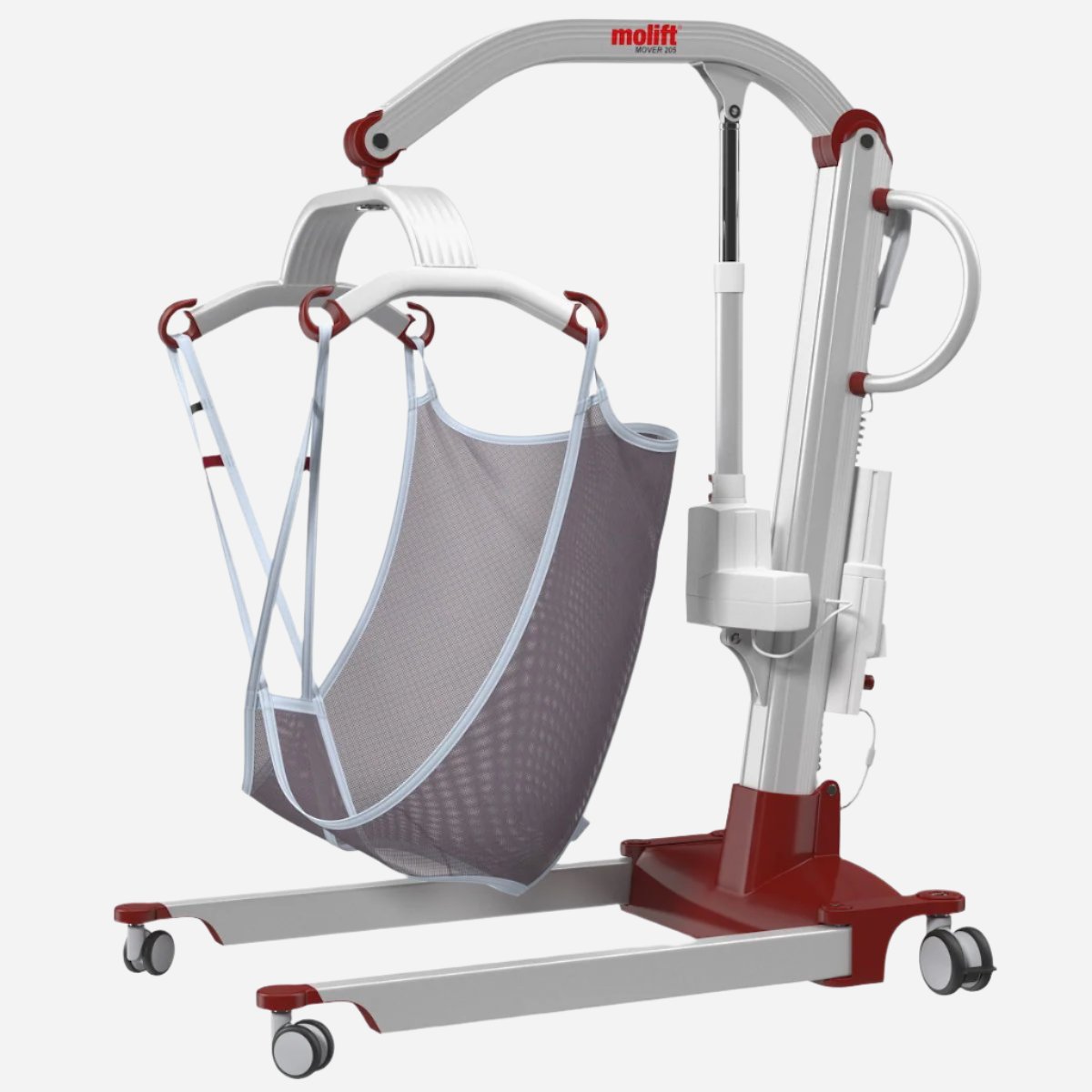
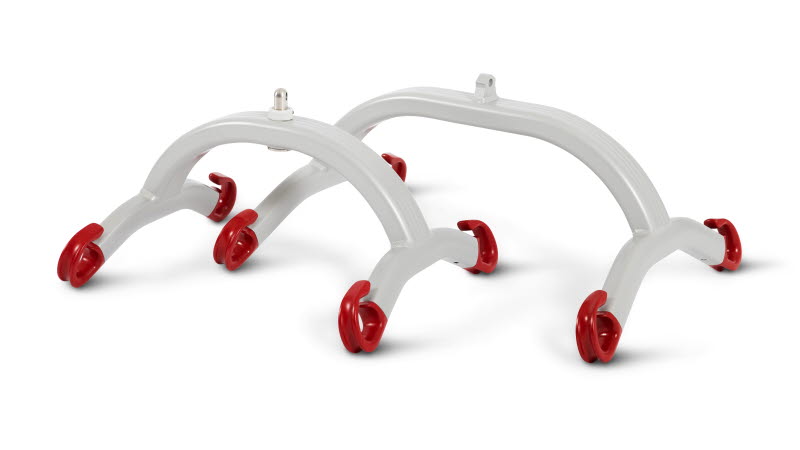
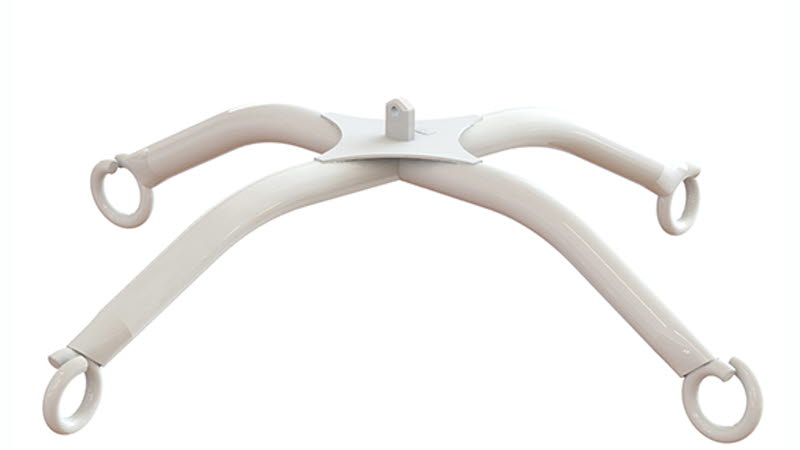
Benefits of a 4-point sling bar
A 4-point sling bar may result in:
- A more reclined position
- The hip is more open
- The chest is expanded
- Leg supports are pulled away from the groin
- More space around or above the user’s head
- A short reach when attaching loops to the hooks
This sling bar is suitable for:
- People in pain
- Obese people
- People with rheumatic or neuromuscular diseases
- Lifting from floor since the sling bar comes closer than a 2-point sling bar

Benefits of a 2-point sling bar
A 2-point sling bar has other benefits and is recommended for these lifting situations:
- When the lifting height is limited
- If a tighter lift is safer for the person; for instance, due to low muscle tone or a sling with a wide leg support opening
- Easier storage in tight spaces