


Best sellers










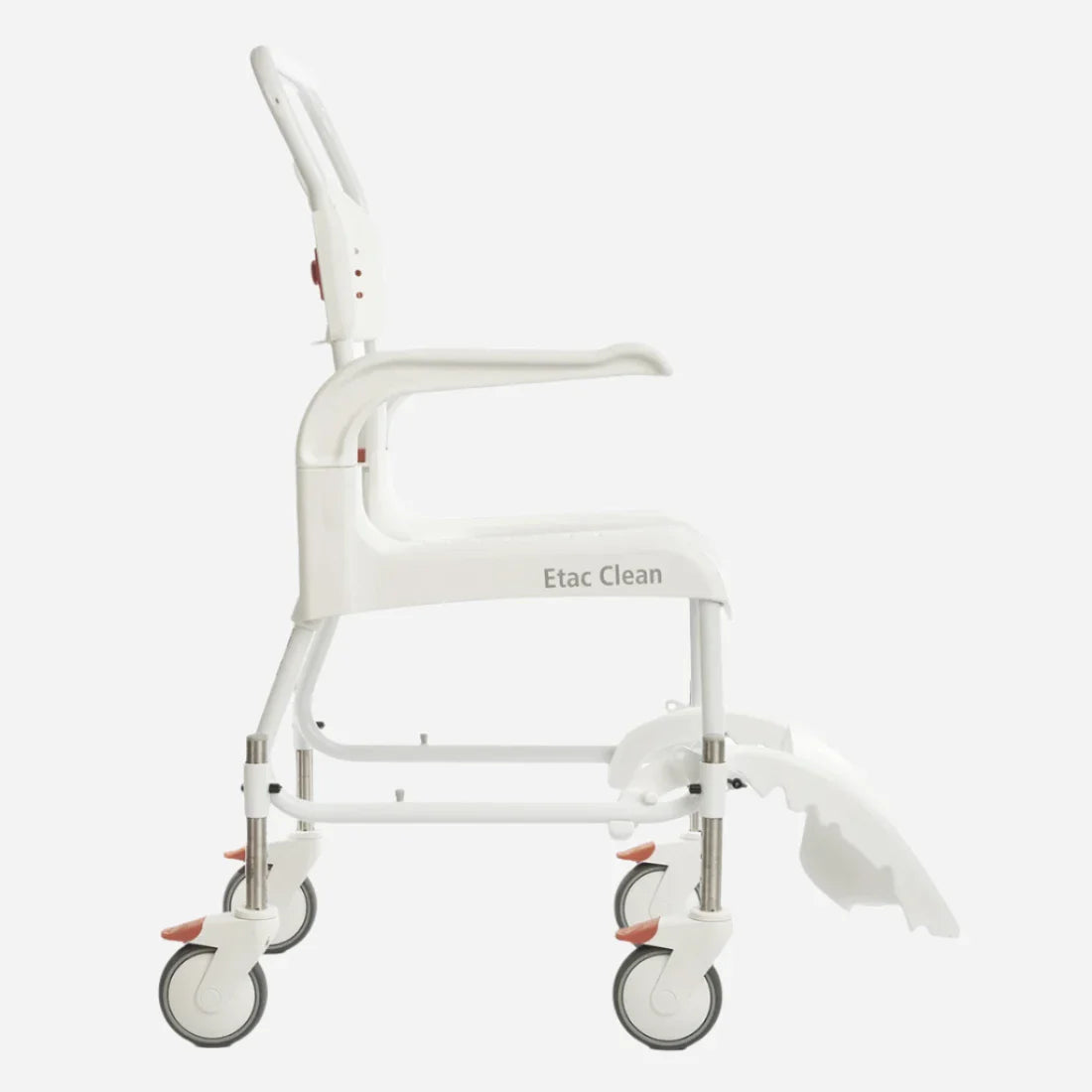
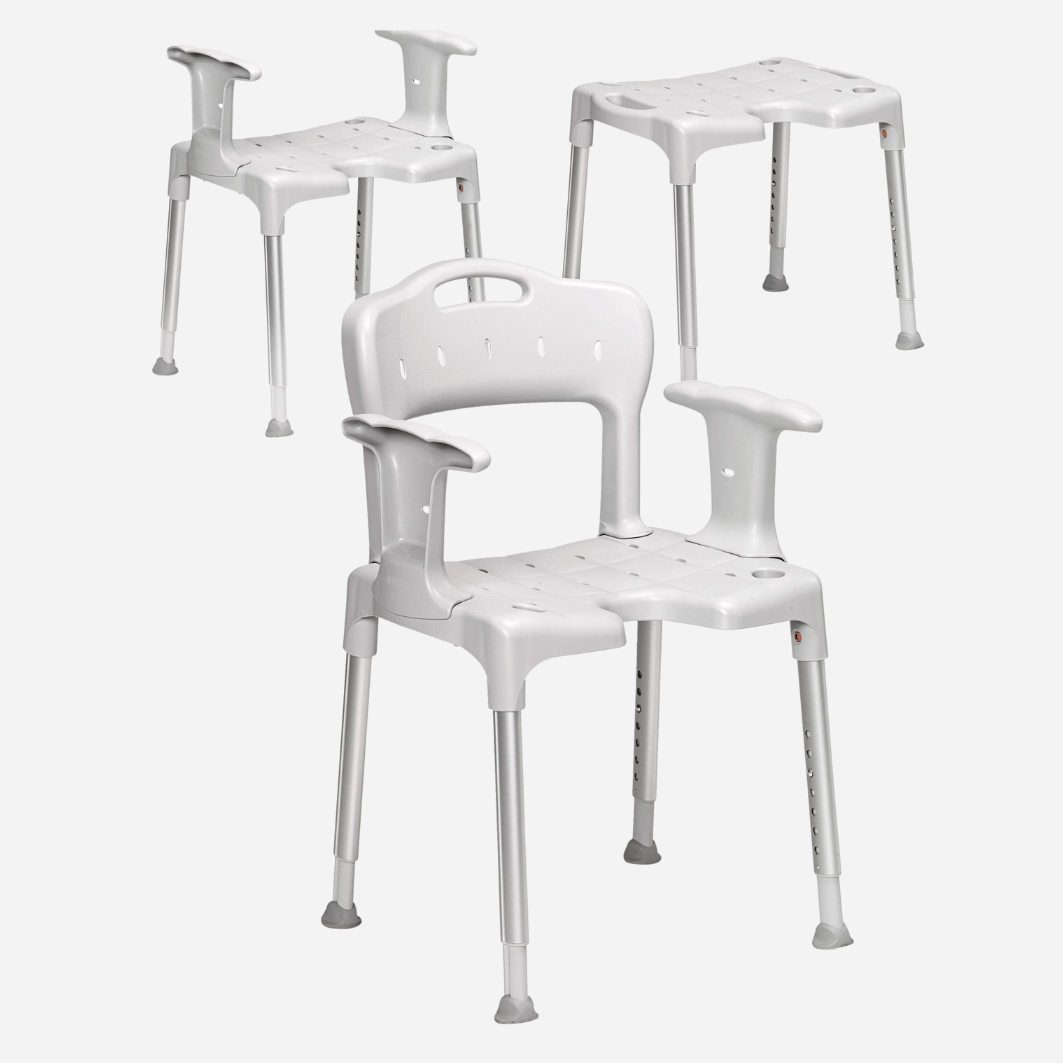
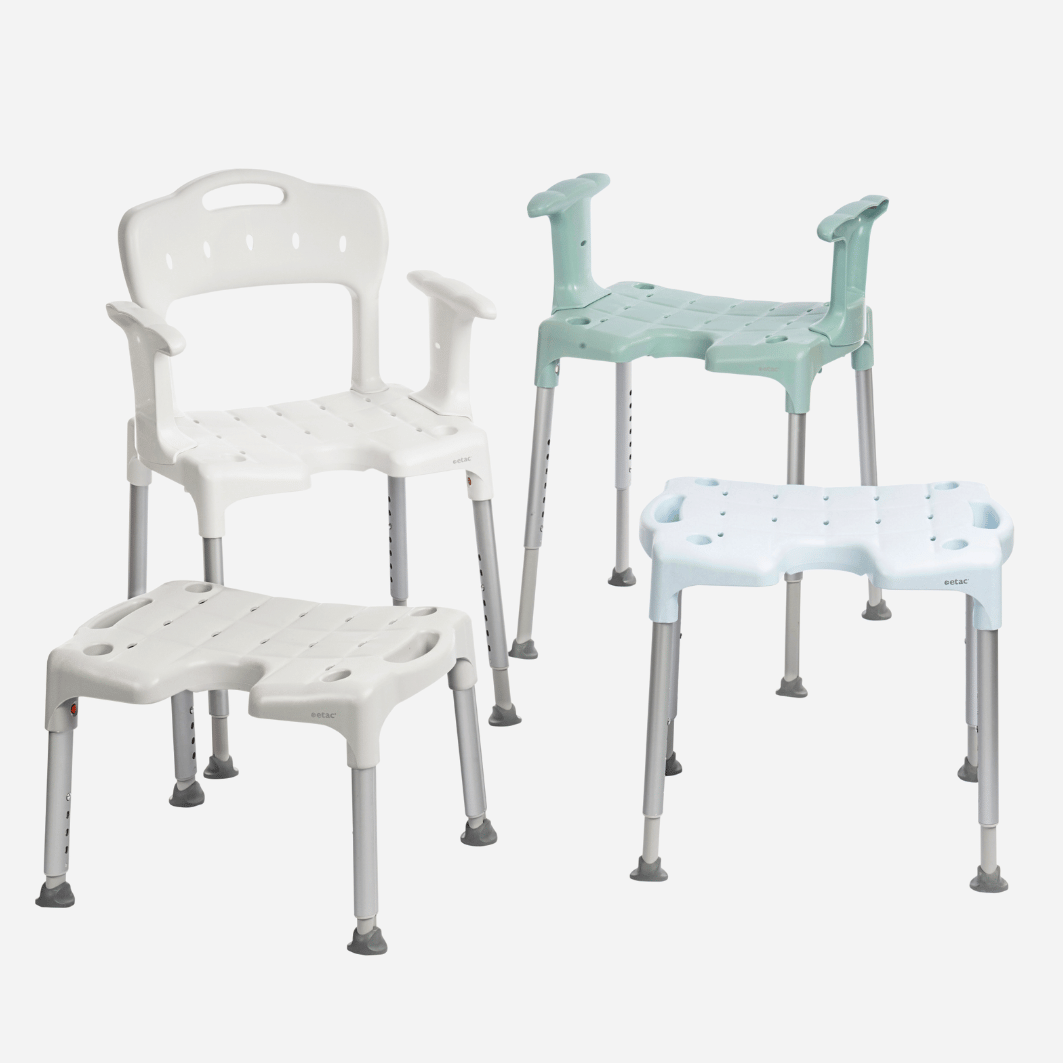


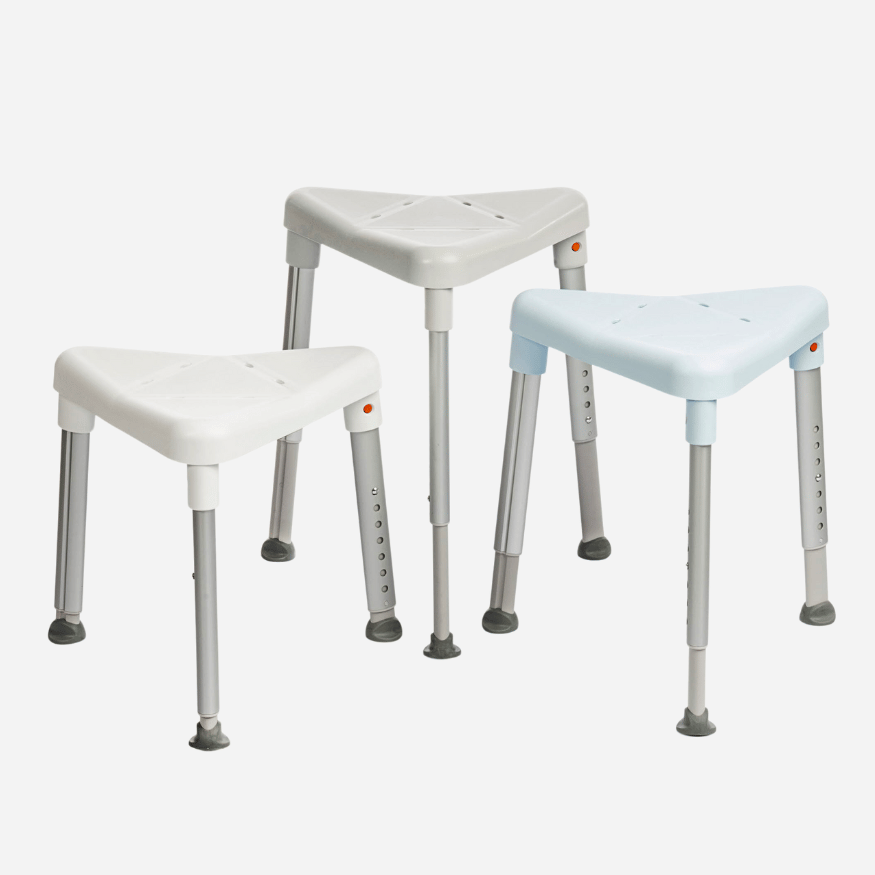
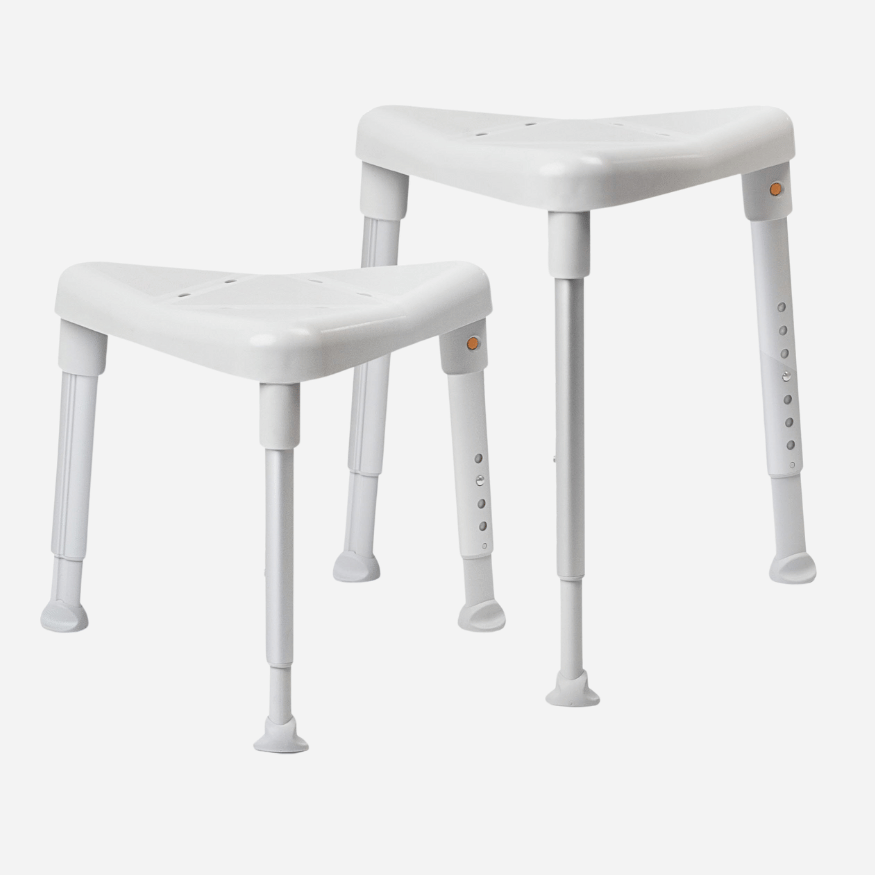
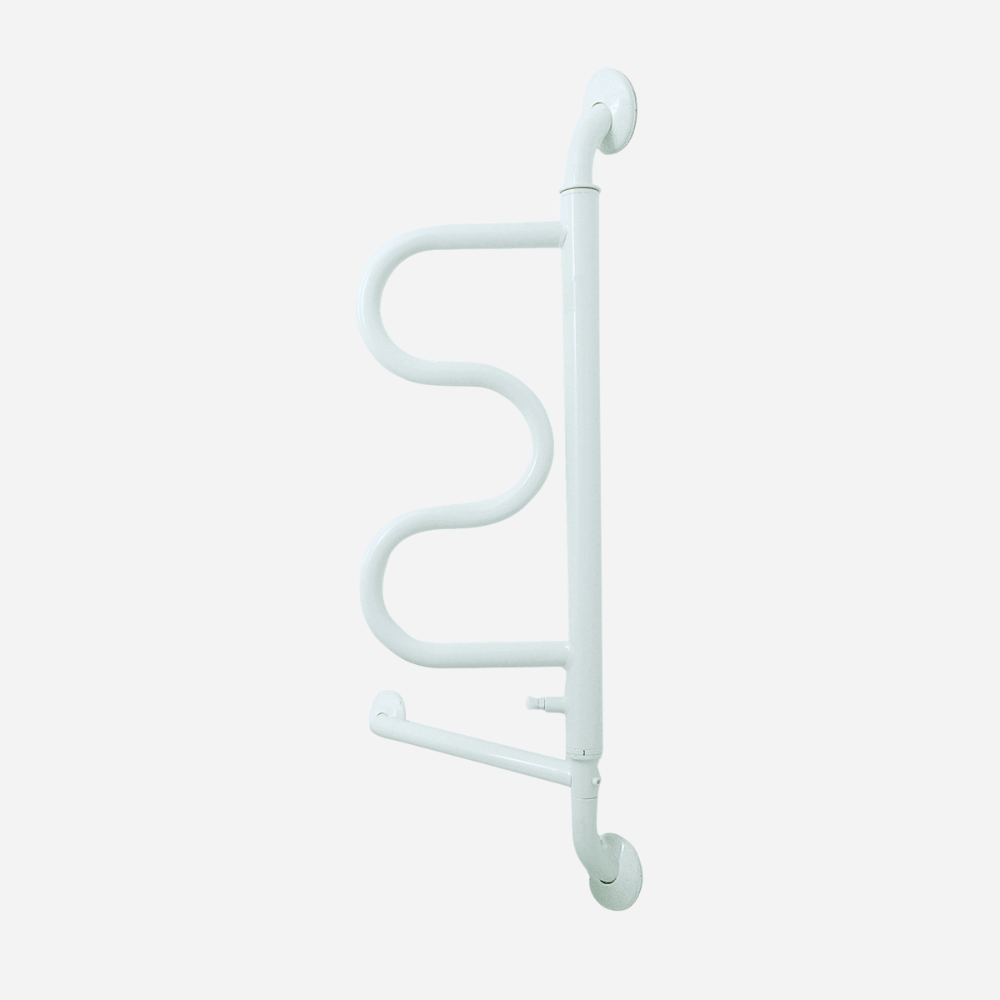

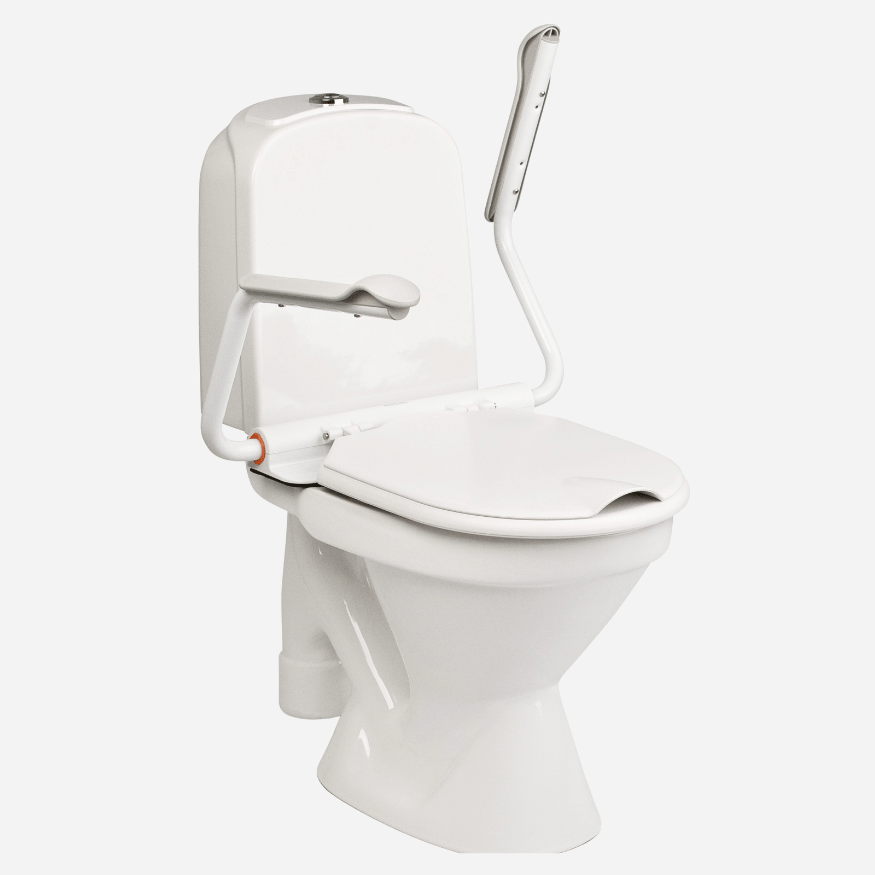


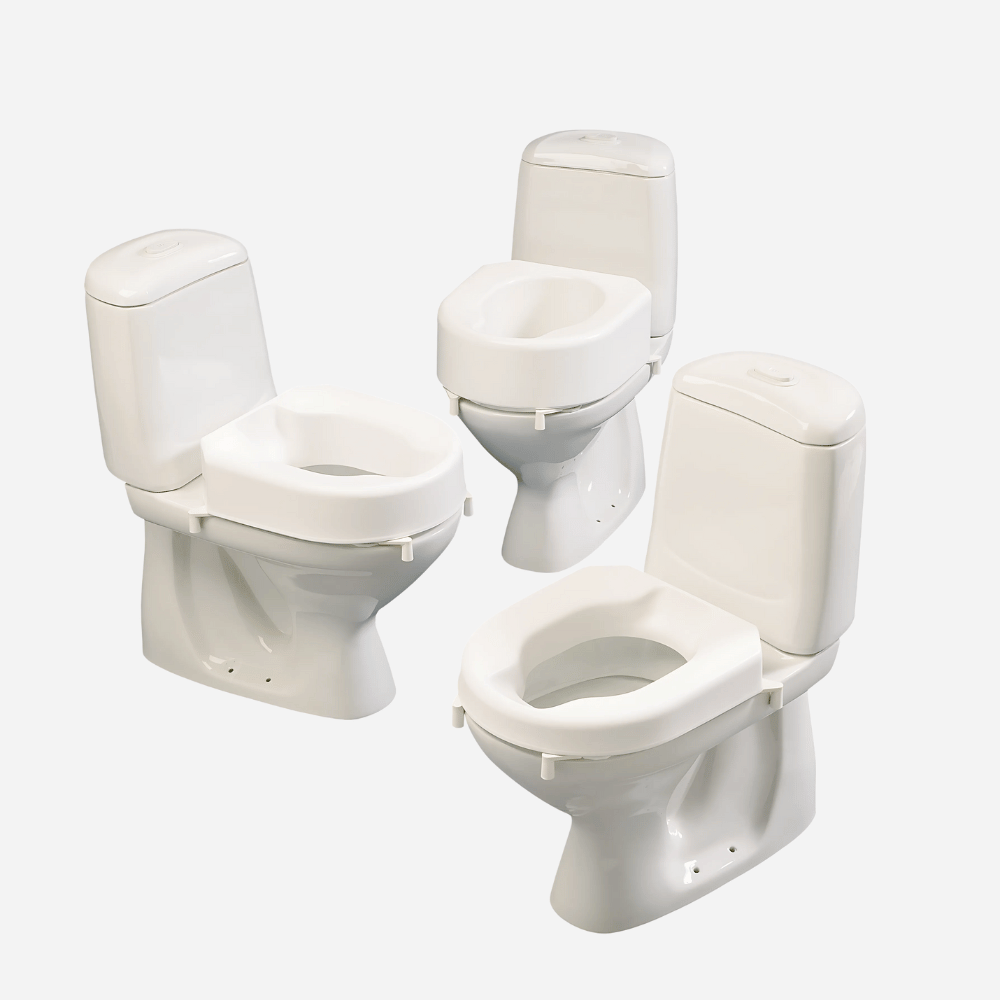


Preventive Solution - Bathroom Safety
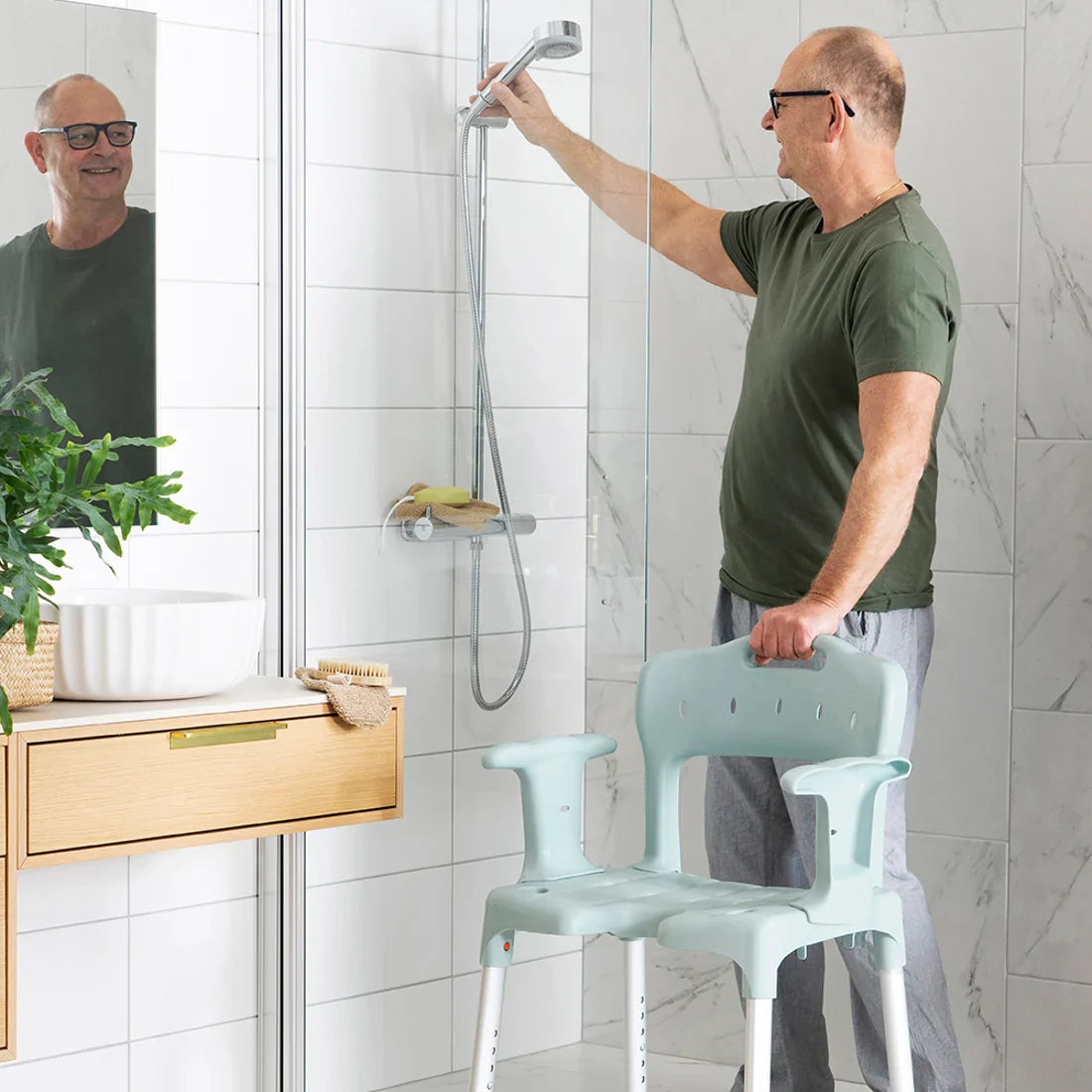
Our Preventive Solution offers a first and easy step to increase safety for someone who is healthy and active. This person usually recovers well from a fall accident, but can prevent it from happening by making some minor additions to the bathroom.
For this level we recommend flexible products that take up little space, blend into "normal" bathroom interiors and don’t require fixed mounting. That way it's a minimal investment in time and effort, but can be added to over time if or when further support is needed.
Recommended functions
Gripping and sitting
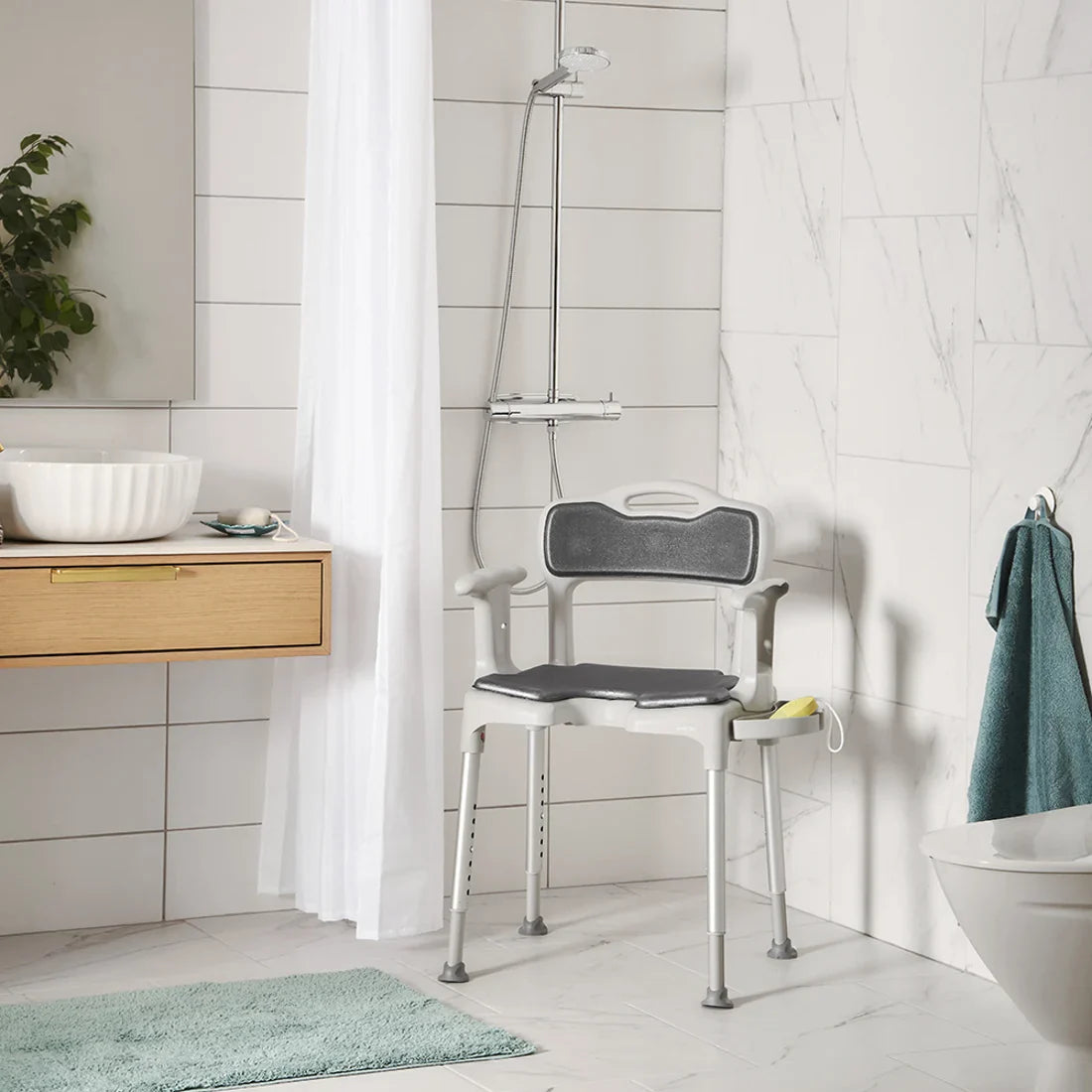
The best way to increase safety is by reducing the time you stand. We recommend a stool to sit on while grooming or showering. Light in weight and easy to move, it can also be used in other parts of the home.
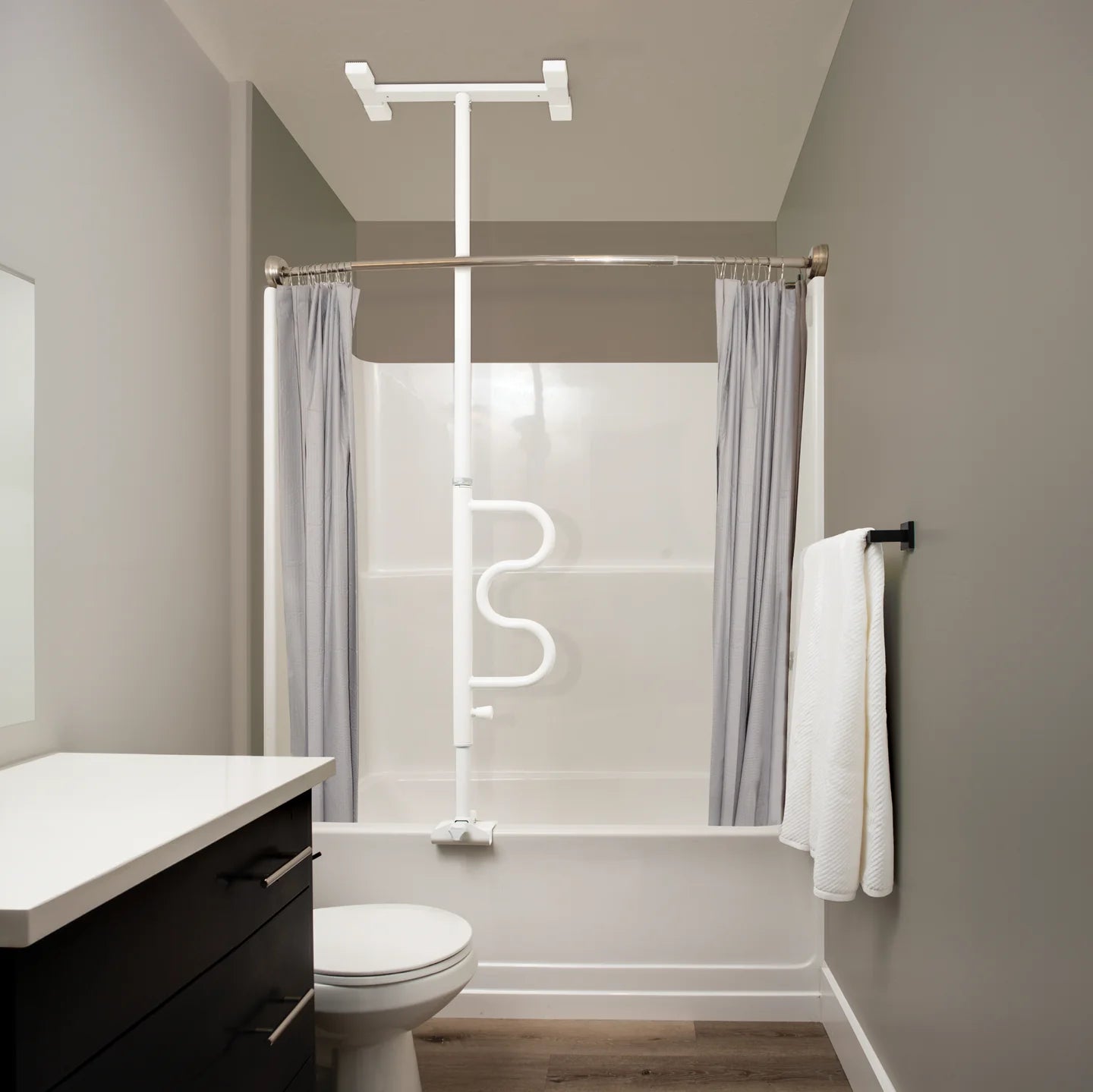
Secondly, this person can benefit from installing one or two grab rails. A rail in the shower offers extra support when needed, and one by the toilet provides support when standing up.
Assistive Solution - Bathroom Safety
Our Assistive Solution can help someone with reduced mobility to maintain independence. This person has the highest risk for fall accidents and might already struggle with daily hygiene routines. Extra support can help to continue self-reliant bathroom visits without the need for personal assistance.
At this level bathroom safety starts in the bedroom, and night-time toileting is important to address. Products with contrasting colours can also be beneficial as they improve visual recognition.
Recommended functions
Gripping, sitting and daytime & night-time toileting
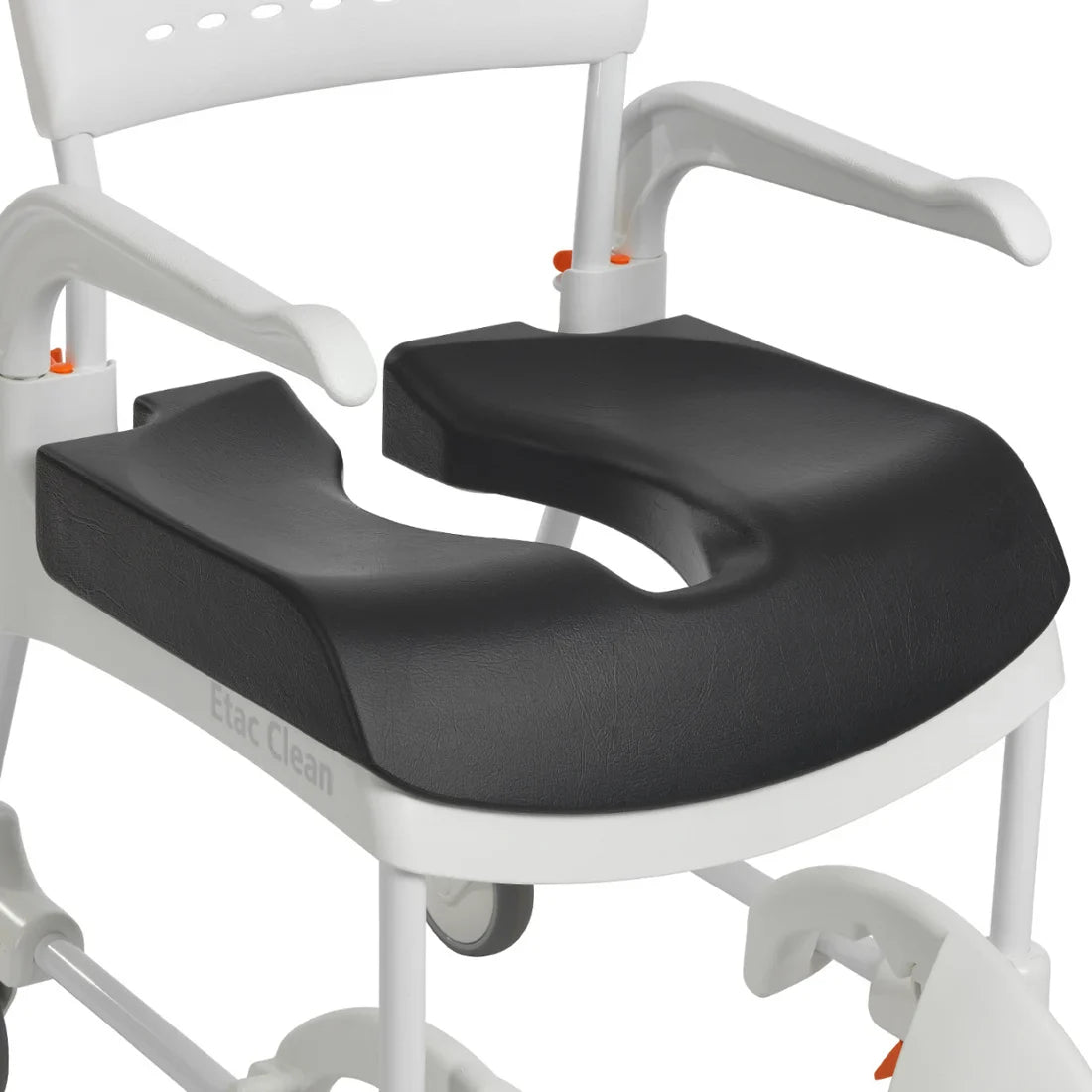
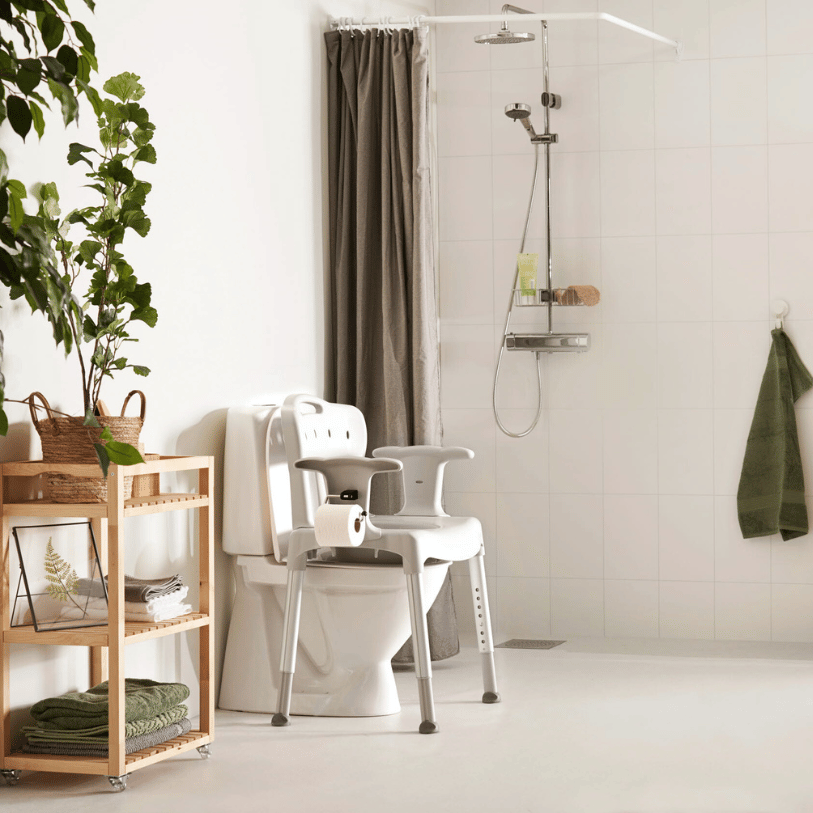
For this solution we recommend grab bars and a shower seat in grey to provide more contrast. We have included arm supports for both toileting and showering, as they are hugely helpful in facilitating sit-to-stand transfers. A soft seat for the toilet adds both comfort and colour contrast.
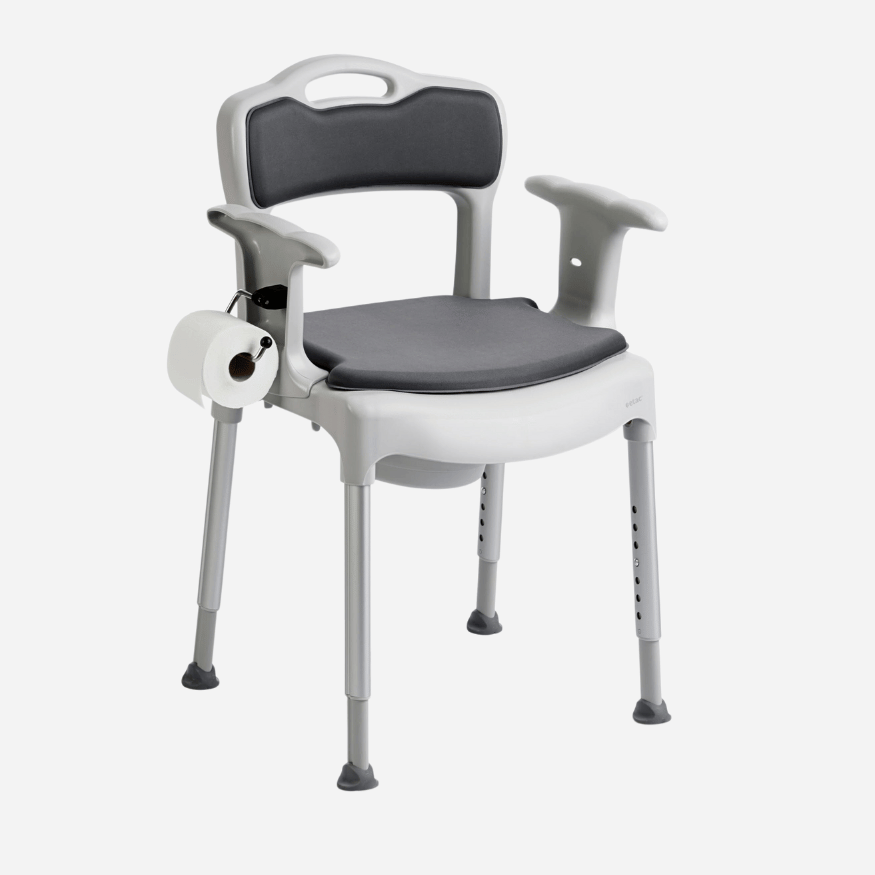
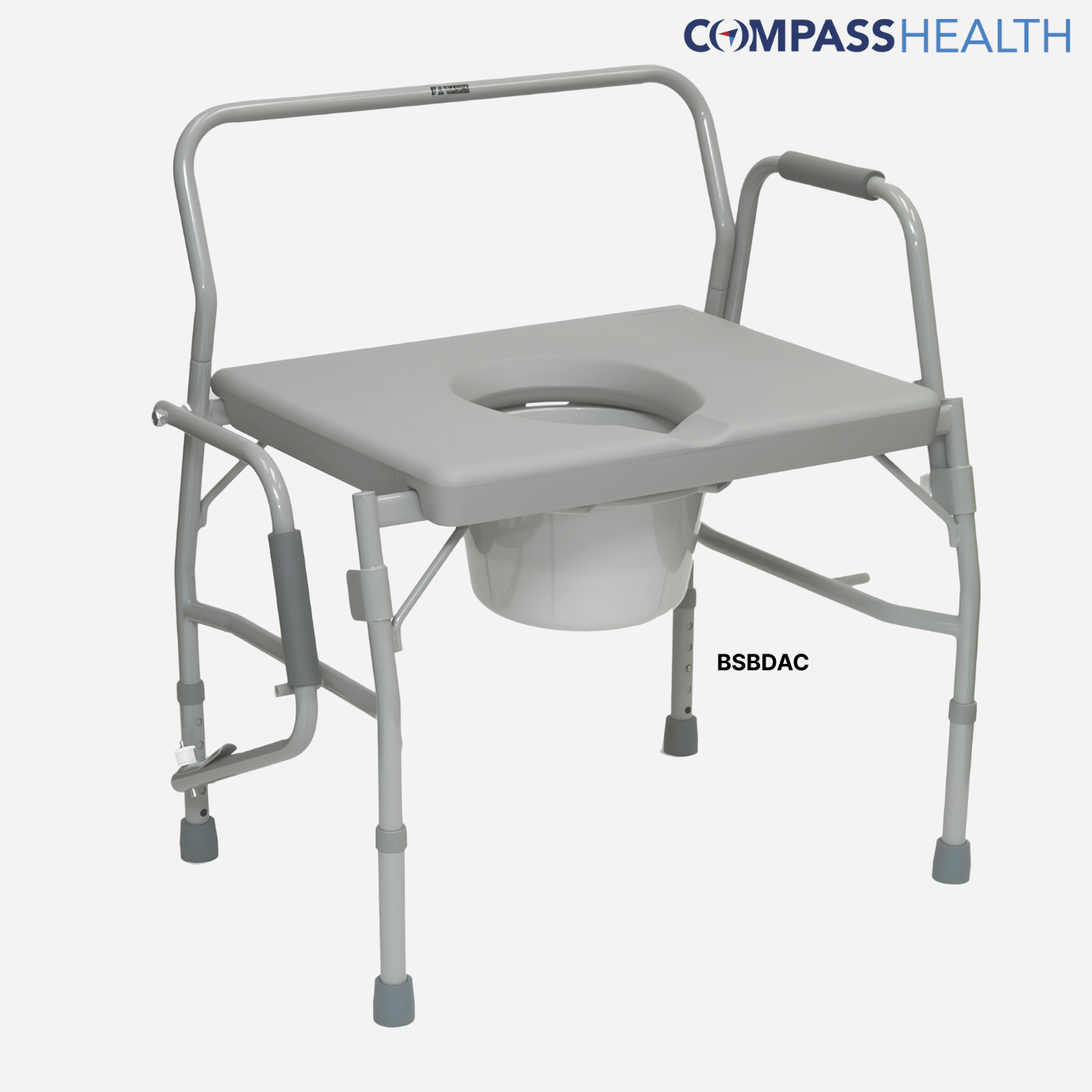
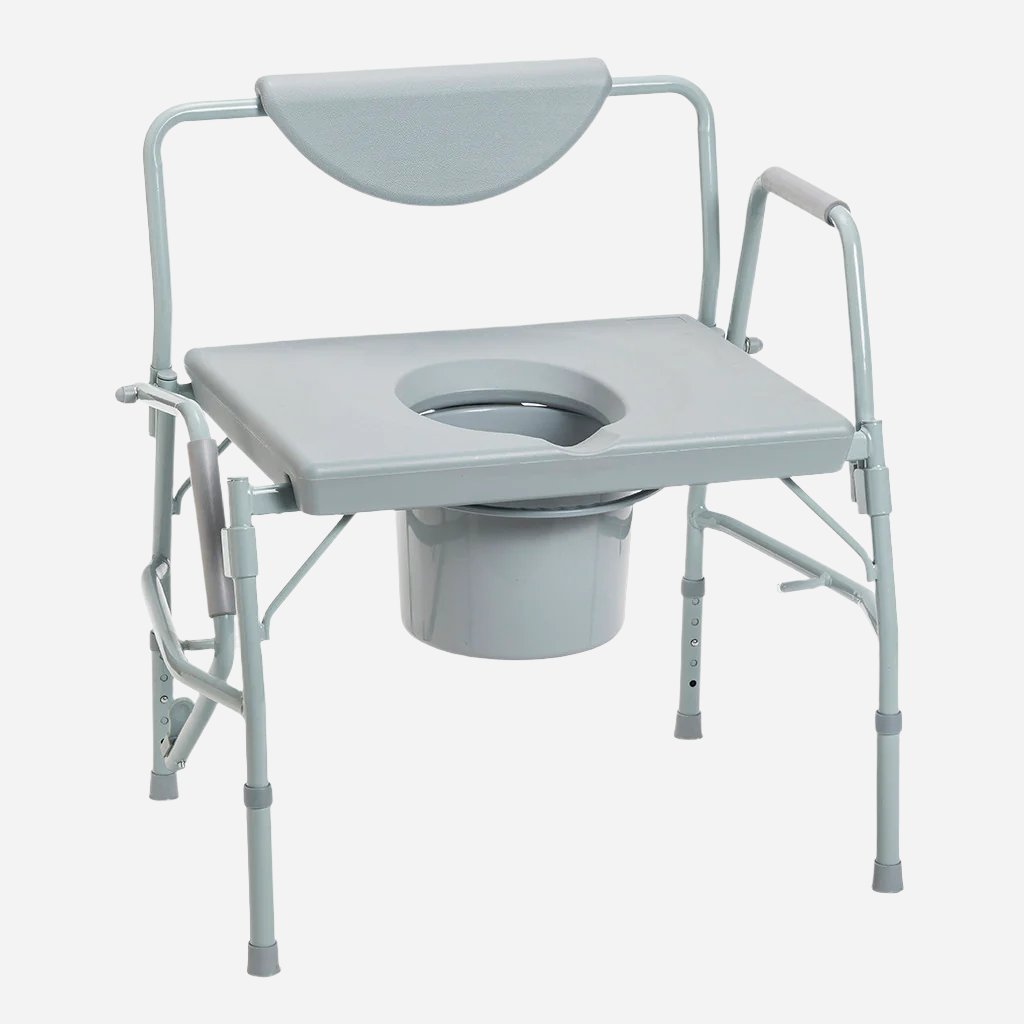
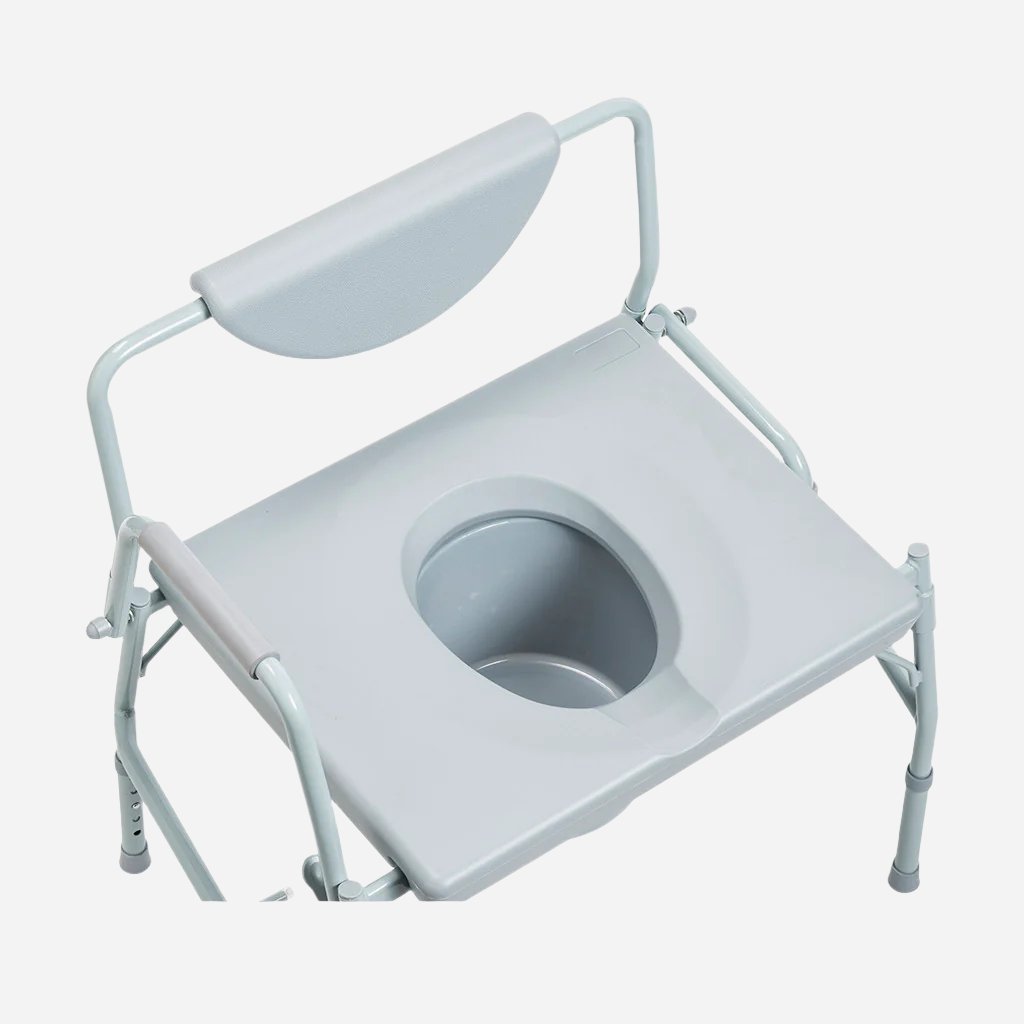
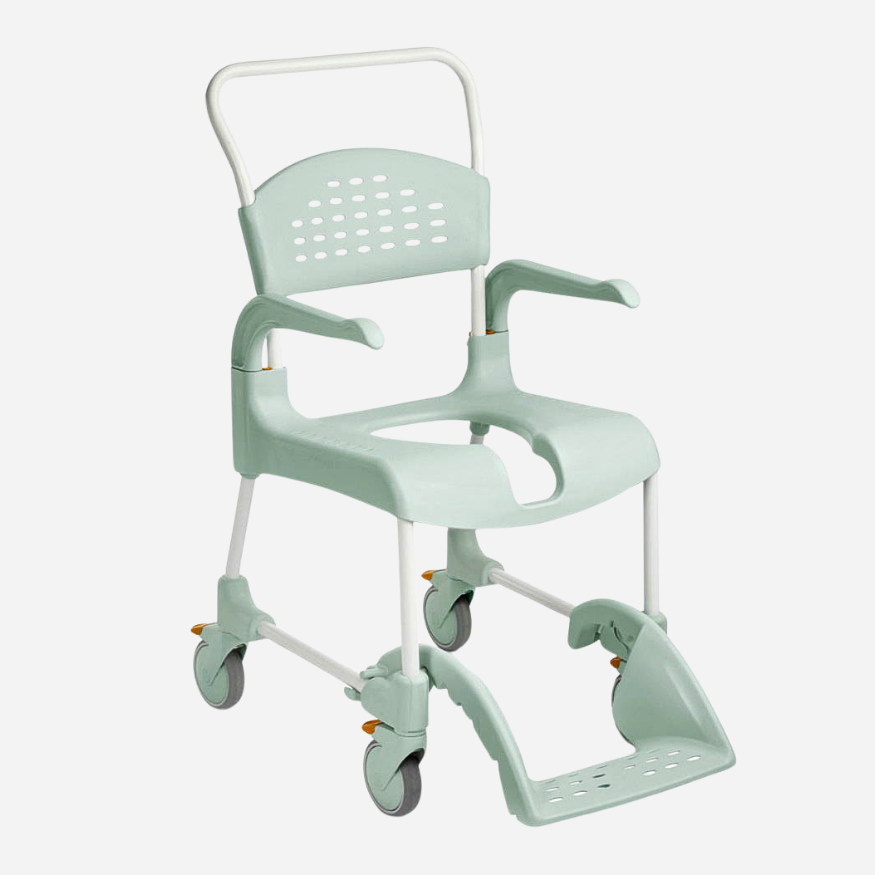
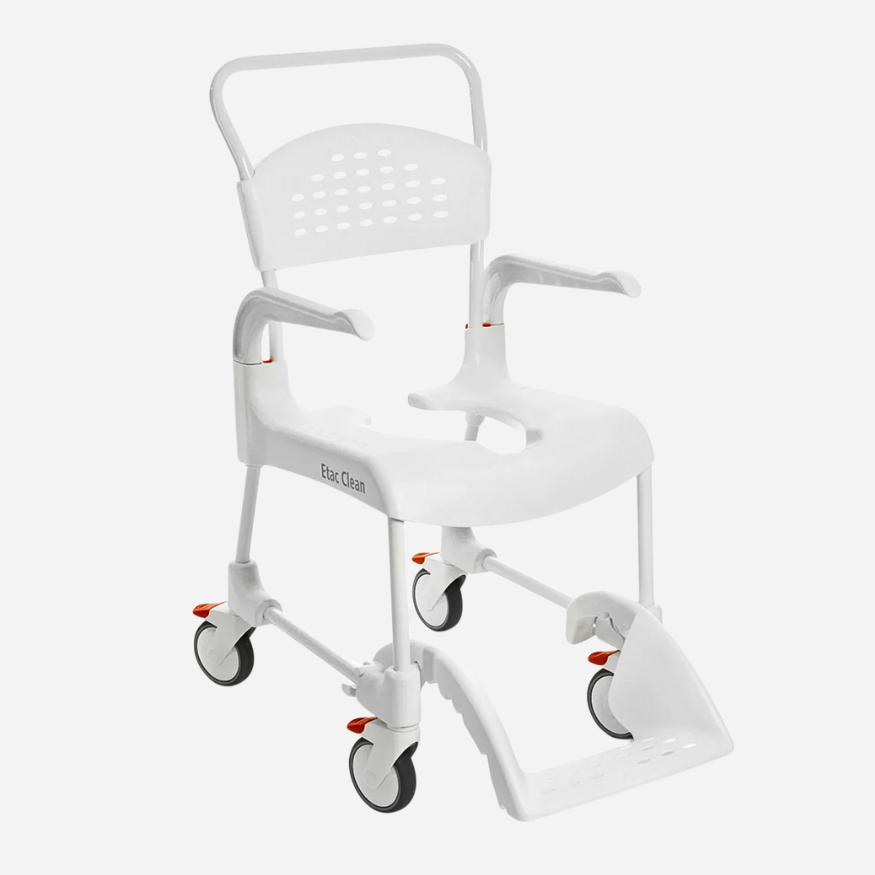
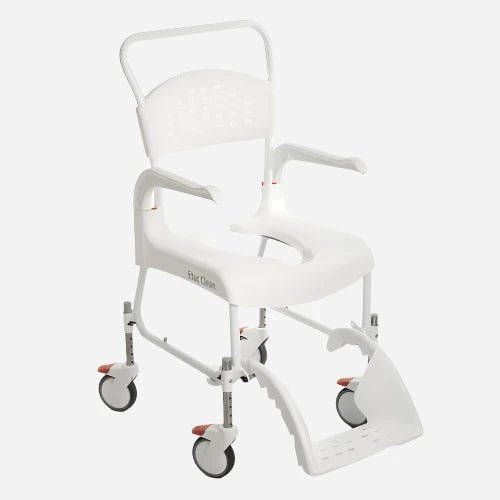
Last but not least, this solution includes a bedroom commode for night-time toileting. Easy to move, this can also be used as an extra seat in the bathroom.

Supportive Solution - Bathroom Safety
The Supportive Solution is suitable for someone with the normal aches and pains of aging. While still physically functional, they are at a time in life where fall accidents are common and usually require long-term rehabilitation or lead to additional health complications that are never recovered from.
The right bathroom aids reduce the risk of accidents significantly, while also making daily routines easier and more enjoyable. This solution offers stable support for most hygiene tasks and facilitates sit-to-stand transfers.
Recommended functions
Gripping, sitting and toileting
For this person we suggest placing several grab rails in useful positions. We have also included a fixed, but foldable shower seat that is always in place when needed, without taking up space when it's not.
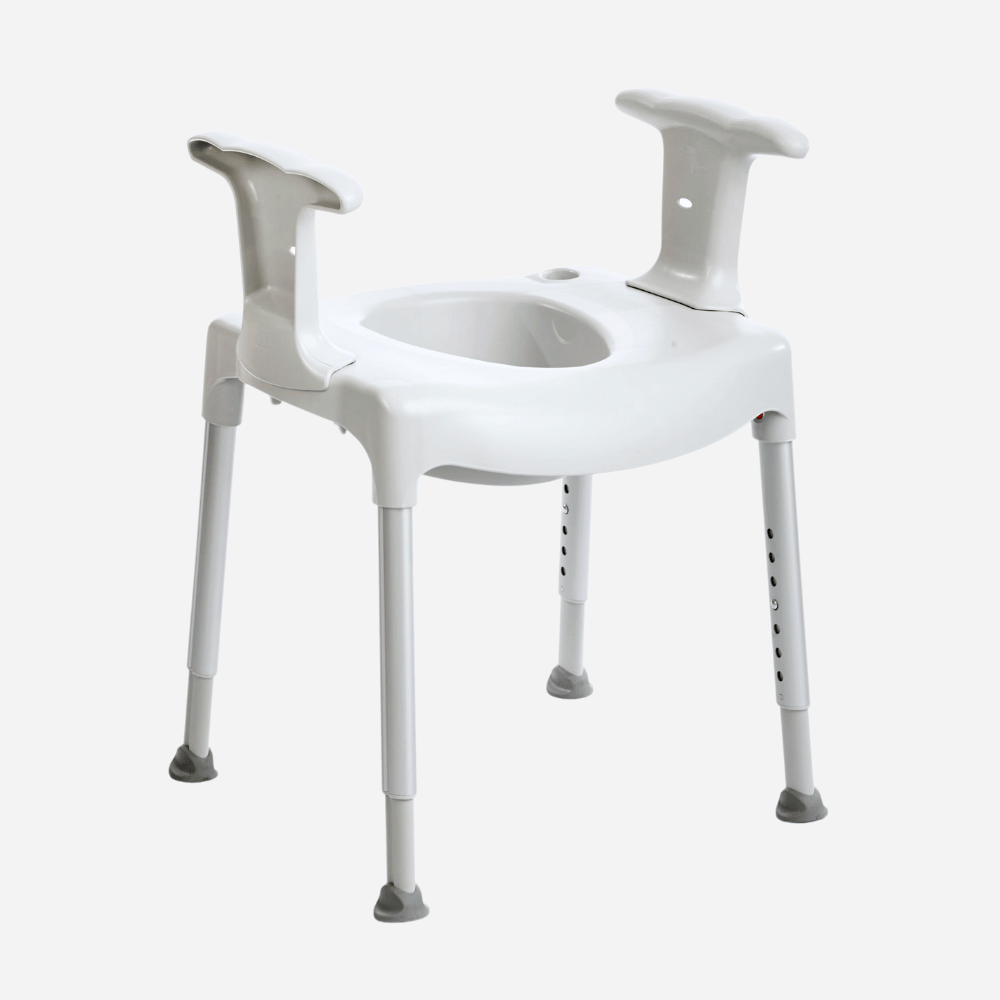
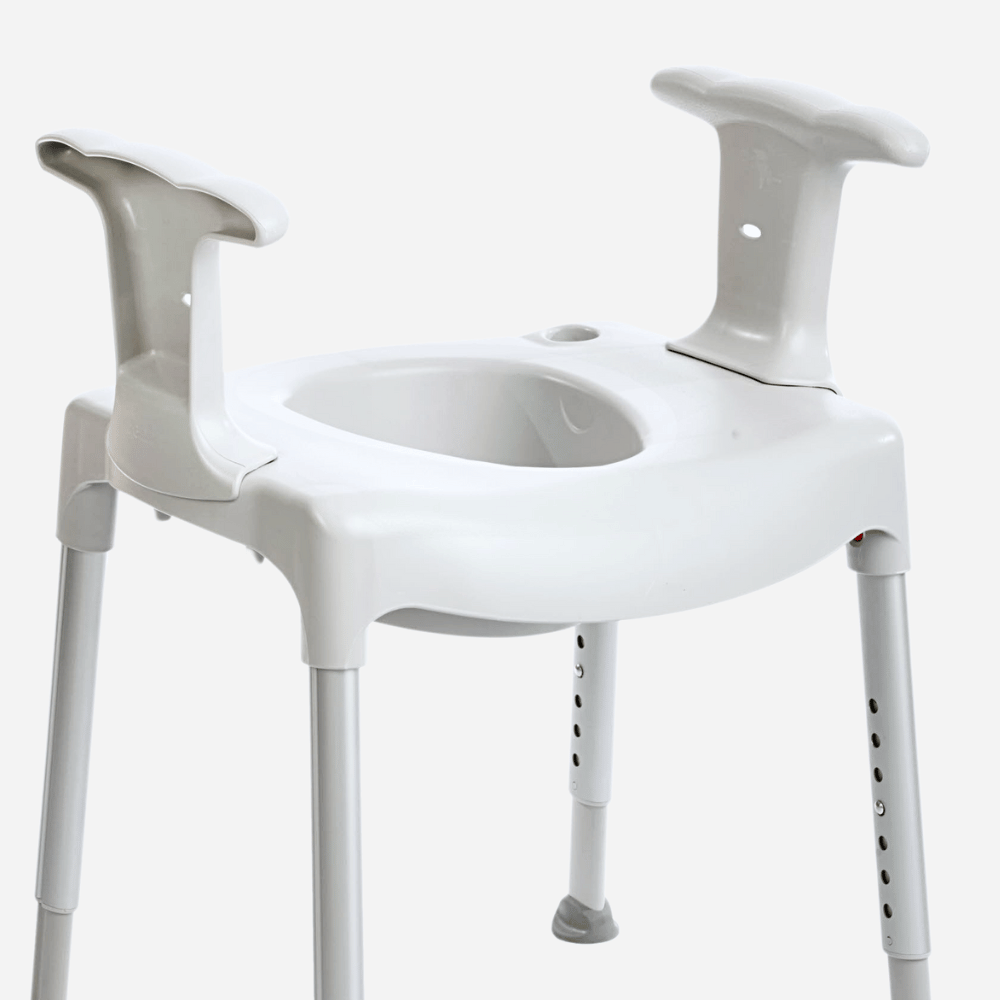
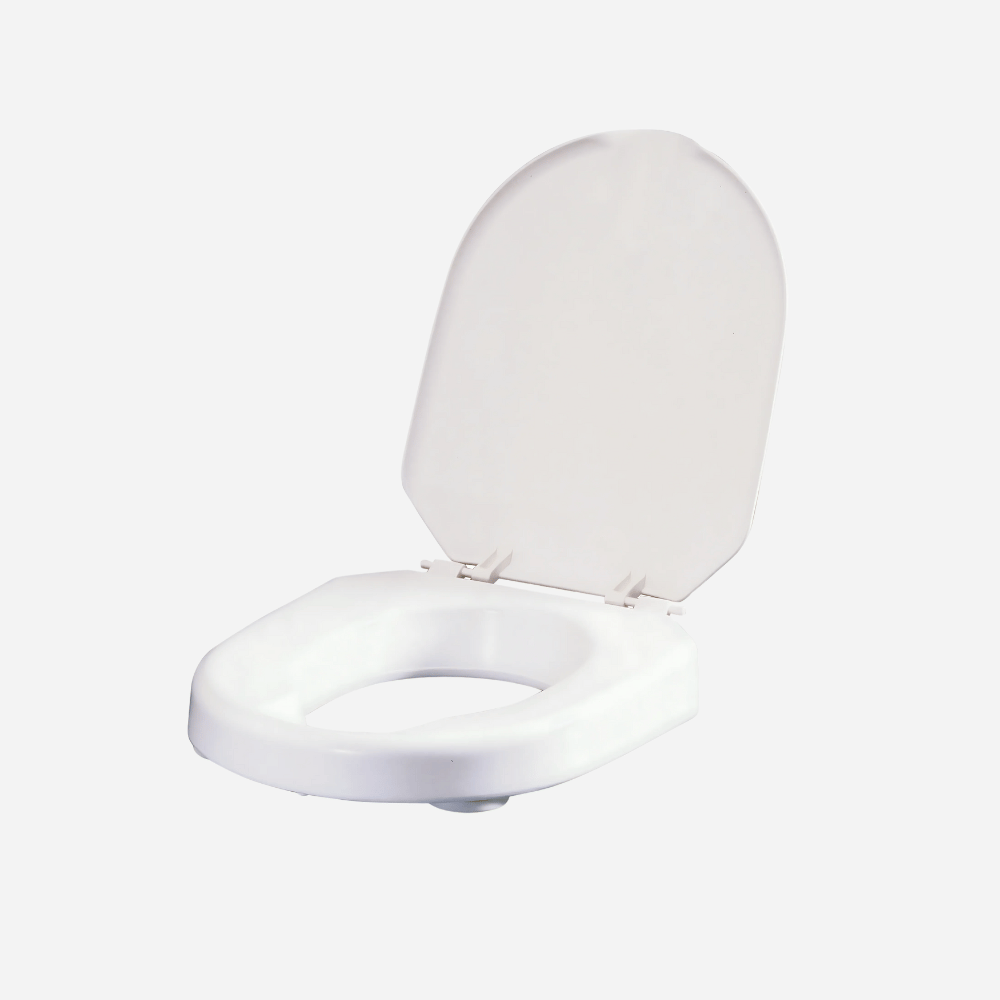
A raised toilet seat is recommended to make daily transfers easier. By using a seat with brackets, mounting and dismounting can be done in a matter of minutes which also allows for use in other locations. An additional stool can be beneficial if needed by the wash basin.
Clinical Benefits
Here, we present the Etac perspective on fall prevention, highlighting the importance of bathroom assistive devices and their clinical benefits.
We cover:
• The impact and consequences of falls
• Increasing risks with ageing
• The bathroom - a high-risk area
• Strategies for fall prevention
• Clinical benefits of our shower chairs, stools, seats, and bath boards
The impact and consequences of falls
The financial costs of fall-related injuries are substantial. For people aged 65 years or older, the average health system cost per fall injury in Finland and Australia is U S$ 3611 and US$ 1049, respectively.*1
Increasing risks with ageing
For example, in the United States, 20-30% of older people who fall suffer moderate to severe injuries such as bruises, hip fractures, or head trauma. This risk level may be partly due to physical, sensory, and cognitive changes associated with ageing and environments not adapted for an ageing population.*1
Benefits explained
Falls prevention
Enhanced user independence

Simplifies daily activities

Promotion of self-reliant hygiene
Strategies for fall prevention
Prevention strategies should focus on education and training, creating safer environments, prioritising fall-related research and establishing effective policies to reduce risk.*1
Integrating assistive technologies into bathroom design is a proactive approach to patient-centered care. Studies such as Murphy (2007) and Mann (1996) strongly support using bath devices to enhance the safety and comfort of older adults.*2, 3
Assistive devices like shower chairs and bath boards are more than just safety tools; they are enablers of independence and quality of life. The WHO's Global Report on Assistive Technology highlights the difference that quality assistive technology can make, particularly in maintaining independence and enabling participation in daily activities.*5 These devices are at the forefront of this movement, offering practical solutions to complex challenges.
The bathroom - a high-risk area

By the toilet
- Install a raised toilet seat to reduce the amount of effort needed to sit down and stand up.
- Add arm supports to the toilet seat or mount a grab rail on the wall to further facilitate transfers.
- Keep toilet paper, air freshener and other necessities within reach.
- Men are recommended to sit down when using the toilet.

In the shower
- Make sure you have something to hold on to by installing one or two grab rails.
- Keep soap and shampoo where they are easy to reach.
- If you have a problem with blood pressure or get dizzy easily, be careful when moving from a position with raised arms (e.g. after shampooing).
- Add a soft seat to the shower stool if you tend to get cold.
- Have towels nearby.

In and around the bathtub
- Install grab bars beside the bathtub to make transfers safer.
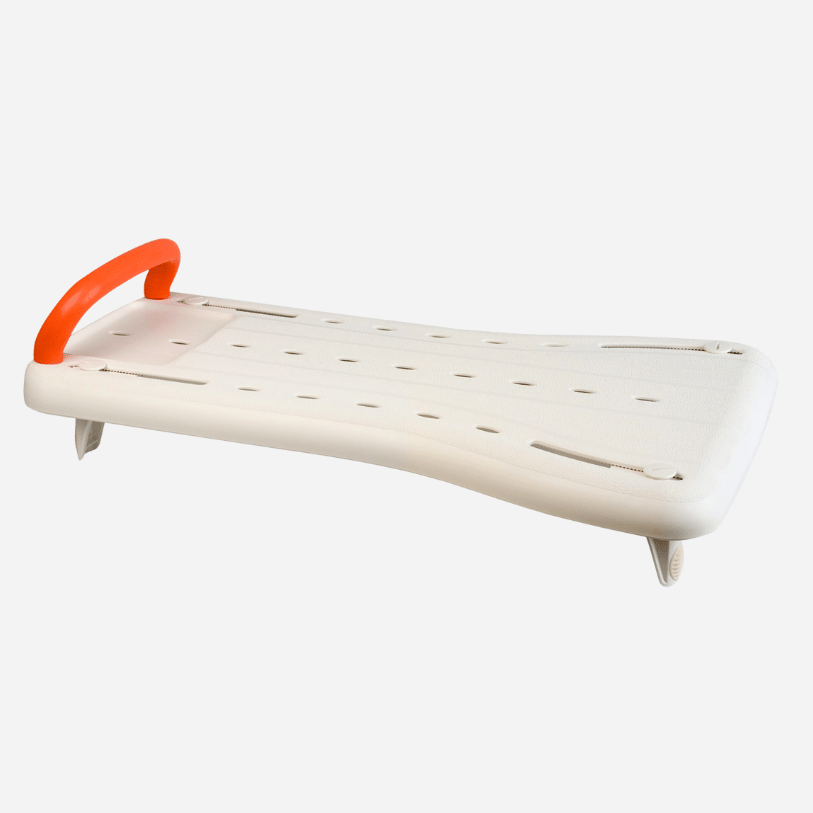
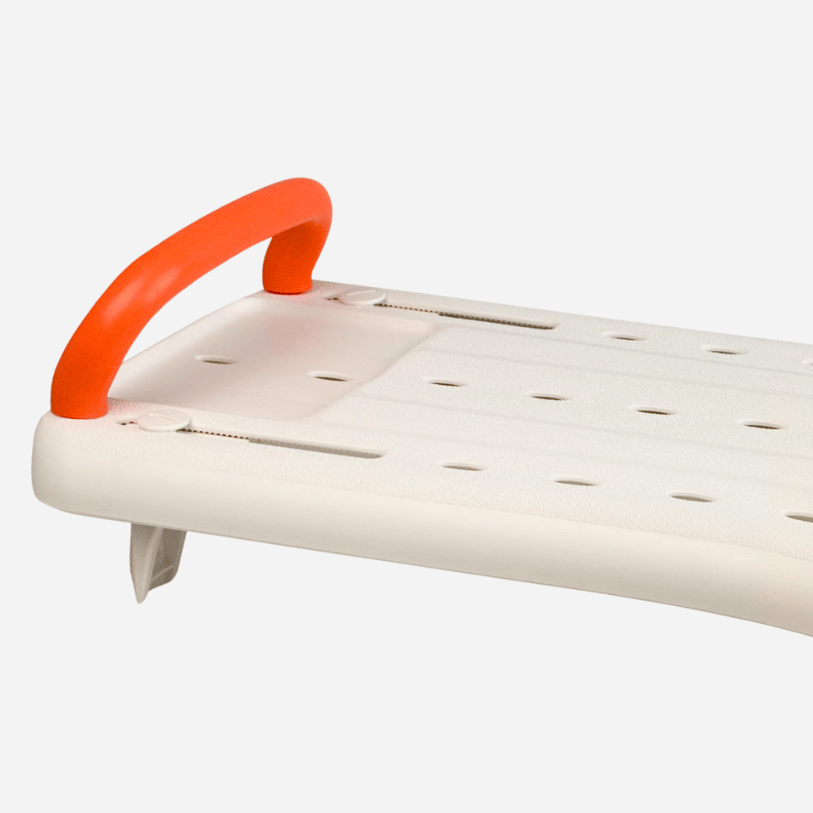
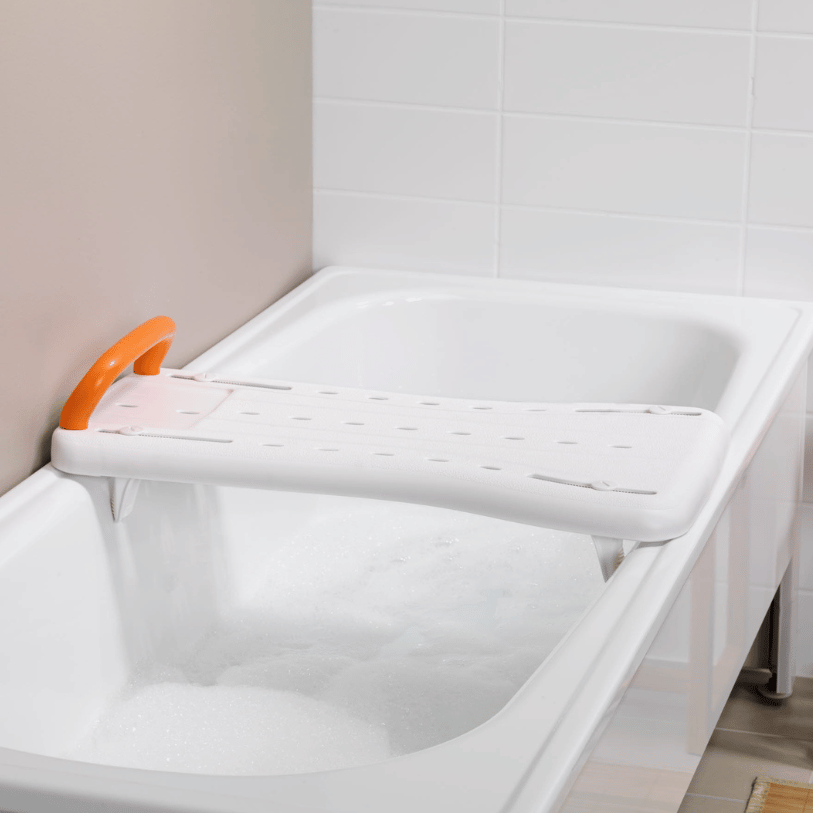
- Use a transfer bench or bath board for further assistance when stepping in and out of the tub. You can also sit on the board while washing.
- Keep towels close by and sit on a stool while drying to avoid standing when wet.

In and around the bathtub
- If not, make sure to clear the pathway and ensure there is adequate lighting all the way to the bathroom. If possible, install a nightlight or motion-sensor lighting.
- Keep a bathrobe and sensible slippers near the bed so you can go without getting cold.
- Bring your mobile phone in case you need help.